
Choosing the right card terminal is an important decision for any business that accepts card payments. With card payments continuing to dominate the UK payments landscape and accounting for the majority of consumer transactions, having the right payment technology in place is more important than ever. The type of terminal you use can influence how efficiently you serve customers, how flexible your payment process is, and even how professional your business appears at the point of sale.
Two of the most common options are portable terminals and fixed (countertop) terminals. While both allow businesses to accept card and contactless payments, they are designed for different environments and ways of working. Understanding how each option fits into your day-to-day operations will help you make the right choice for your business.
What Is a Fixed Card Terminal?
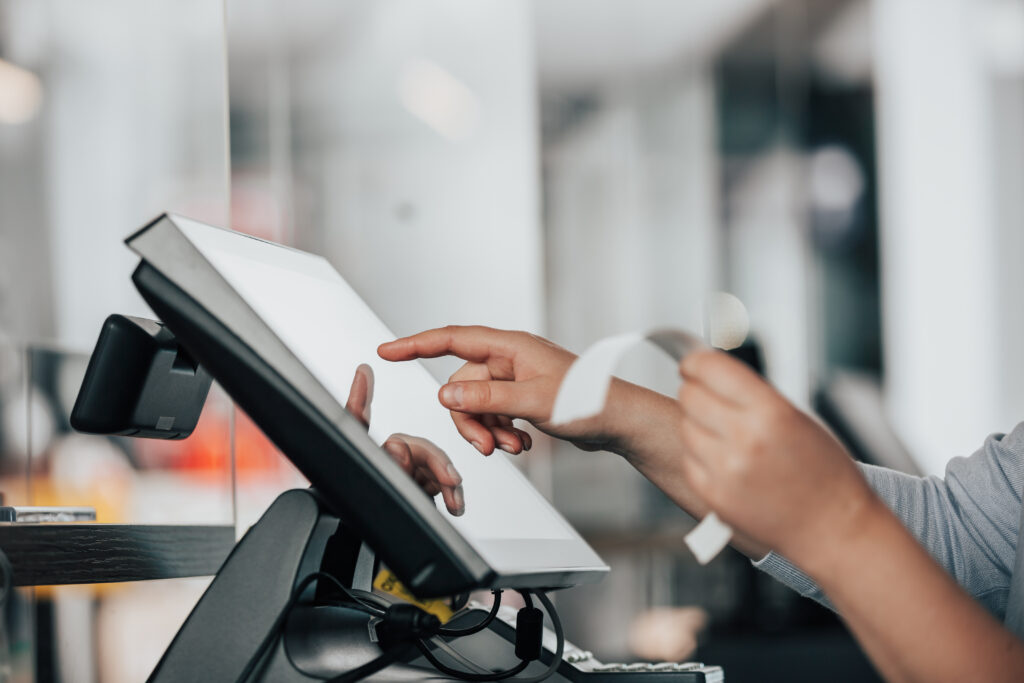
A fixed card terminal, also known as a countertop terminal, stays in one place, usually at a checkout or payment counter. It connects to your internet or phone line and remains plugged into a power source.
This type of terminal is commonly used in environments where customers come to a central payment point, such as retail shops, convenience stores, pharmacies, and service counters. The transaction takes place at the till, with customers bringing their card to the terminal to pay.
Because the device stays connected to a stable internet or phone line, fixed terminals tend to offer reliable and consistent connectivity. This makes them ideal for businesses with a high volume of transactions where speed and reliability are essential.
What Is a Portable Card Terminal?
A portable card terminal allows you to take payments away from the counter. Instead of being fixed in one location, it connects wirelessly through Wi-Fi or Bluetooth and can be carried around the premises.
This type of terminal is often used in restaurants, cafés, pubs, and hospitality venues where staff bring the terminal directly to the customer’s table. It is also useful in larger venues where customers may not want to queue at a central checkout point.
Portable terminals help create a more flexible payment experience. Customers can pay wherever they are, which can speed up service and make transactions more convenient.
Considering How Your Business Operates
One of the most important factors when choosing between a portable and fixed terminal is how your business serves customers.
If your business operates around a single checkout point, a fixed terminal will usually be the most practical option. It keeps the payment process organised and ensures every transaction is completed at the same location.
However, if your staff regularly move around to serve customers, a portable terminal may be the better choice. For example, in hospitality environments, bringing the terminal to the table allows customers to pay immediately without waiting for staff to take their card away and return.
The Importance of Customer Experience
The type of terminal you use can also affect the customer experience. Portable terminals can make transactions feel quicker and more convenient, particularly in restaurants or busy venues. Customers can review the amount and pay without leaving their seat, which many people now expect as standard.
In retail environments, a fixed terminal can create a clear and structured checkout process. Customers know exactly where to go to pay, which helps maintain an efficient flow during busy periods. Choosing the right terminal can therefore help make payments feel seamless and professional for your customers.
Connectivity and Reliability
Connectivity is another key consideration. Fixed terminals are connected directly to your internet or phone line, which often provides a stable and reliable connection. This is particularly important for businesses that process a large number of transactions throughout the day.
Portable terminals rely on wireless connectivity within your premises. While modern Wi-Fi networks are generally reliable, the strength of your signal throughout the building can affect performance. Larger premises or buildings with thick walls may need strong Wi-Fi coverage to ensure the terminal works smoothly everywhere it is used.
When a Portable Terminal Makes Sense
Portable card terminals are usually best suited to businesses where staff need to move freely while taking payments. Hospitality businesses often benefit from portable devices because they allow payments to be taken directly at the table, improving both efficiency and security.
They can also be helpful in businesses with large premises, where customers may not always be close to the checkout.
When a Fixed Terminal Is the Better Option
A fixed card terminal is typically the best choice for businesses that operate from a single point of sale. Retail stores, reception desks, and service counters usually benefit from a stable countertop terminal where transactions are processed quickly and consistently.
Because these terminals remain connected and powered at all times, they are often preferred in fast-paced retail environments where reliability is essential.
Combining Fixed and Portable Payment Solutions
In many cases, businesses find that the best approach is to combine both types of card terminal.
For example, you might have a fixed EPOS countertop terminal at the main till for quick and efficient payments, while also using portable card machines for situations where flexibility is needed. This setup works particularly well in hospitality venues, busy retail environments, and businesses that want to improve customer convenience.
At Bespoke Merchant Solutions, we provide both options to suit different business needs. Our fixed EPOS countertop systems are designed to create a reliable and efficient checkout point, helping businesses manage transactions smoothly.
Alongside this, we also supply portable card machines such as the PAX A920 Pro, a powerful and modern payment device that allows businesses to take payments anywhere within their premises. With its touchscreen interface and wireless connectivity, it offers the flexibility many businesses need today.
By combining countertop systems with portable devices, businesses can create a payment setup that is both reliable and flexible, ensuring they are ready to serve customers wherever payments need to take place.
Finding the Right Solution for Your Business
There is no one-size-fits-all answer when choosing between a portable or fixed card terminal. The right option depends on how your business operates, how customers interact with your staff, and how you want payments to fit into the overall customer experience.
Whether you prefer a fixed countertop system, a portable terminal, or a combination of both, selecting the right solution can help improve efficiency, enhance customer convenience, and ensure your business is ready to accept payments in the way that suits you best.
Not sure which option is right for your business? Our team is here to help. Simply get in touch using the buttons below and we’ll be happy to talk you through your options and find the best solution for your needs.