
When contactless payments first arrived in the UK, they were seen as a handy extra for low-value purchases. Today, they are a default way to pay in shops, cafés, clinics, and everywhere in between. For businesses, this shift isn’t just about speed at the till. It’s about how customers expect to pay, how often they visit, and what makes them feel confident in a transaction.
Contactless has also been a key stepping stone to wider change. Once people got used to tapping a card, moving to tapping a phone, paying online with a wallet, or using a quick bank transfer started to feel natural too. The result is a payments landscape that looks very different from the one many businesses planned for in the late 2000s.
From Novelty To Normal
Contactless was introduced in the UK in the late 2000s, and it grew steadily as more retailers upgraded their terminals and customers built trust in the technology. One clear way to see that growth is to look at how much of the UK’s payment activity is now contactless. UK Finance reports that contactless card payments were just 3% of all payments in 2015, rising to 21% in 2019, and reaching 38% in 2023.
By 2023, contactless had become routine behaviour. 85% of people made a contactless payment at least once a month during 2023, including 83% of people of retirement age. That’s a big change from the early years, when contactless was largely associated with convenience stores and quick lunchtime purchases.
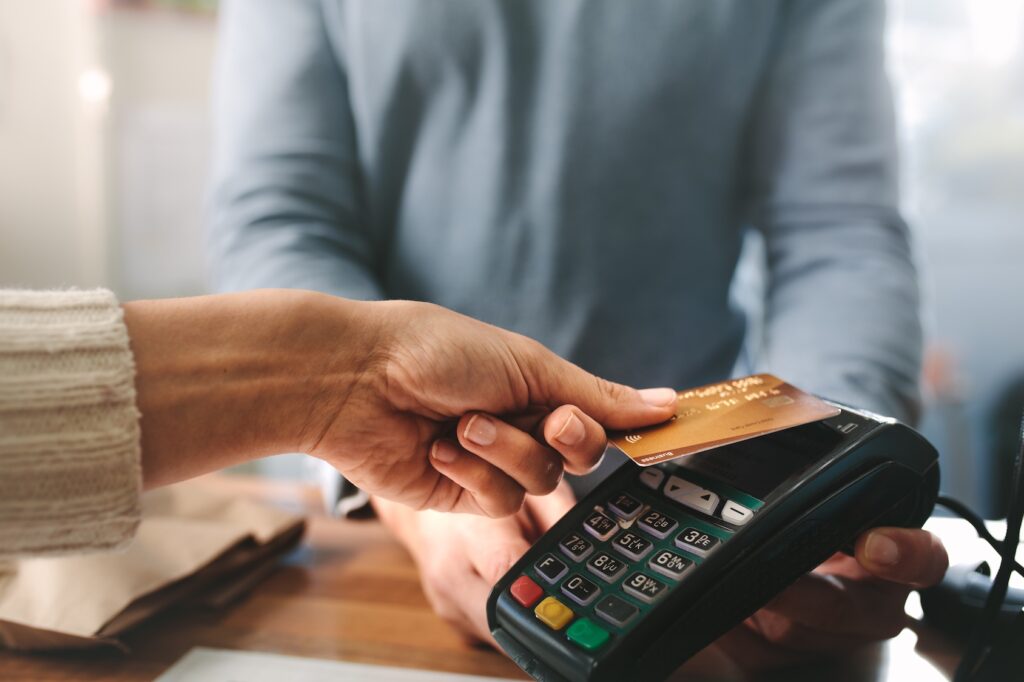
Contactless Wins the Majority
In recent years, the pace has stayed strong. It has been revealed that contactless debit and credit card payment volumes totalled 18.9 billion in 2024. In the same report summary, UK Finance states that 39% of all payments in the UK were made via contactless methods in 2024.
Bank and card data also shows how dominant tapping has become for everyday shopping. Barclays reported that 94.6% of all eligible in-store card transactions were made using contactless in 2024. They also reported an average contactless transaction value of £16.10, and that the average person used contactless 236 times across the year.
For many businesses, this explains why customers can feel surprised if contactless is not available, or if a minimum spend is suggested. The customer mindset has shifted from “contactless is convenient” to “contactless is expected”.
Cash Payments Have Moved to the Occasional Choice
Contactless didn’t replace cash overnight, but it has helped accelerate a long-term trend away from notes and coins for day-to-day spending. UK Finance’s Payment Markets 2025 summary shows cash dropping from 58% of all payments in 2009 to 9% in 2024. It also reports that cash payments fell to 4.4 billion payments in 2024, and for the first time were less than 10% of all payments.
That doesn’t mean cash has disappeared. Some customers still prefer it, and some situations still suit it. What has changed, is how often the average customer reaches for it. For many businesses, cash is now something to accommodate, rather than the main focus of the payment experience.
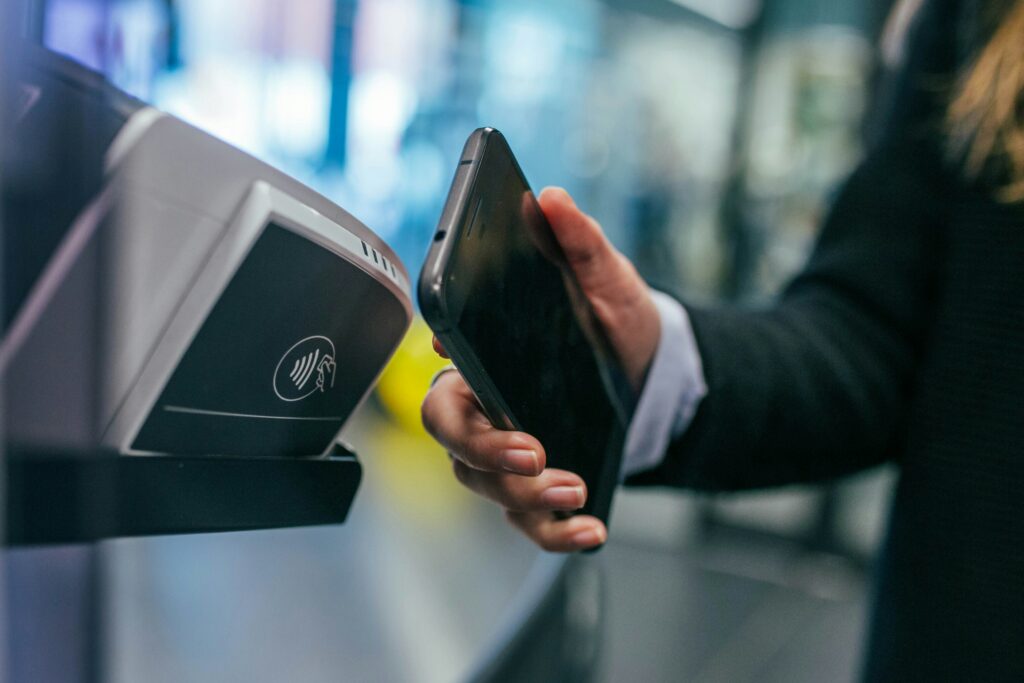
The Real Shift: From Cards To Phones and Wallets
Contactless cards opened the door, but mobile wallets have pushed convenience further. UK Finance reports that by the end of 2024 there were 153 million contactless cards in circulation, meaning 89% of cards in circulation had contactless functionality. In the same summary, UK Finance notes that more than half of UK adults (57%) were registered for at least one mobile payment service in 2024, and that half of all UK adults used mobile contactless payments regularly.
For businesses, this matters because mobile payments often change customer behaviour. People carrying only a phone are more likely to make unplanned purchases, more likely to pay quickly, and more likely to expect a smooth experience across in-store and online channels.
What Do Customers Expect Next?
As contactless became more common, limits increased over time, helping it move from “small purchases only” to “most everyday purchases”. The next change is likely to be about flexibility. The UK Financial Conduct Authority has announced that from 19 March 2026, the £100 contactless limit on cards will be removed, allowing firms to set their own limits (with appropriate controls), while customers retain protections for unauthorised transactions.
Whether or not individual banks raise limits quickly, the direction of travel is clear. Customers are increasingly comfortable using contactless for higher-value purchases, especially when paying by phone.
Payment preference has become part of customer service. Most businesses benefit from supporting contactless as standard, keeping terminals reliable and positioned for quick taps, and ensuring staff feel confident handling scenarios like declined taps or PIN prompts. It’s also worth thinking beyond the counter. Customers who tap in-store often want similarly quick options for remote and online payments, such as payment links, digital invoices, or wallet-enabled checkout.
The most successful approach is to offer choice without friction. Customers should be able to pay in the way that feels easiest to them, whether by a card, a phone, or a different method altogether. Contactless may have started as a novelty feature, but it’s become a signal of how modern payments work, and where customer expectations are heading next.